KNOXVILLE, Tennessee — On July 22, 76 people died in a bombing in Oslo and an attack on a Labor Party summer camp on the island of Utoya in Norway. The Guardian labeled the event “one of the worst atrocities in recent European history.” The Norwegian Anders Behring Breivik stands accused of both attacks, and yes, he admitted committing both crimes while also labeling them “atrocious” and “necessary.” Though media speculation suggested early on that the bombing in Oslo was an act of Muslim terrorism,
When I moved to Egypt to study
Arabic in 2004, I was amazed how often Muslims there said alhamdulillah (i.e., praise God). When I asked
friends “How are you?”, they replied alhamdulillah (praise God). When I congratulated Mahmoud’s children for
their high marks in school, they replied alhamdulillah. Even when Haala cut her hand deeply with a sharp
kitchen knife, she repeated steadily alhamdulillah, alhamdulillah, alhamdulillah, as we worked to stop the
bleeding. To my amazement, she was genuinely thankful, mindful her
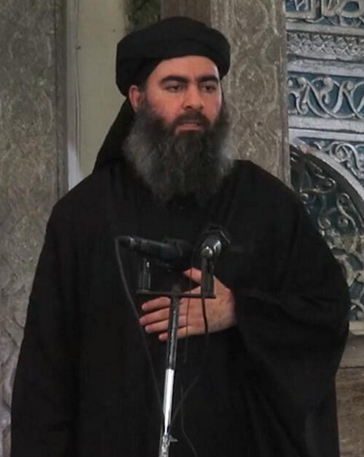
ISIS has shocked the world with horrific acts of brutality so inhumane and “unIslamic” that even Al-Qaeda has disavowed all links with them. Last September, more than 120 prominent Muslim leaders and scholars of Islamic law from around the world sent a letter to Al-Baghdadi, chief leader of ISIS, in which they condemned many ISIS teachings and practices as “forbidden in Islam”. The letter, signed by Egypt’s Grand Mufti Sheikh Shawqi Allam (the highest official of Islamic law among Sunni Muslims in Egypt, the most populous country of the Middle East) refers to the “Islamic State” in quotation marks only. Egypt’s Grand Mufti told CNN in February that “everything ISIS does is far away from Islam. What it is doing is a crime by all means.” Dar al-Ifta, the prestigious Islamic law school that Sheikh Allam oversees, even launched a campaign asking journalists not to call ISIS an “Islamic State”, suggesting “al-Qaeda Separatists in Iraq and Syria” or QSIS instead to



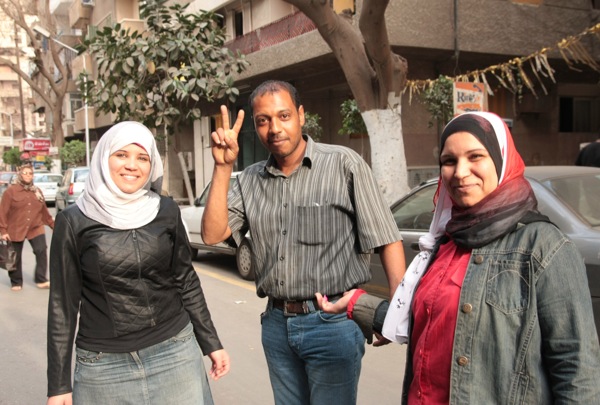 When I moved to Egypt to study
Arabic in 2004, I was amazed how often Muslims there said alhamdulillah (i.e., praise God). When I asked
friends “How are you?”, they replied alhamdulillah (praise God). When I congratulated Mahmoud’s children for
their high marks in school, they replied alhamdulillah. Even when Haala cut her hand deeply with a sharp
kitchen knife, she repeated steadily alhamdulillah, alhamdulillah, alhamdulillah, as we worked to stop the
bleeding. To my amazement, she was genuinely thankful, mindful her
When I moved to Egypt to study
Arabic in 2004, I was amazed how often Muslims there said alhamdulillah (i.e., praise God). When I asked
friends “How are you?”, they replied alhamdulillah (praise God). When I congratulated Mahmoud’s children for
their high marks in school, they replied alhamdulillah. Even when Haala cut her hand deeply with a sharp
kitchen knife, she repeated steadily alhamdulillah, alhamdulillah, alhamdulillah, as we worked to stop the
bleeding. To my amazement, she was genuinely thankful, mindful her